Maritime Terror: Why the Return of Kalibr Missiles to the Black Sea Threatens Odesa
The Ukrainian Navy recorded the first deployment of Russian missile carriers in the Black Sea in six months, launching over 20 missiles during a massive combined attack.
 🧠AI Analysis
Photo: UNIAN
Key points
- Russia used Black Sea missile carriers for the first time in half a year.
- Over 20 Kalibr missile launches were recorded during the combined attack.
- The enemy involved both surface ships and submarines.
- Flight time of naval missiles toward the Odesa region remains minimal.
On the night of November 20, Russian occupation forces carried out one of the largest combined attacks across Ukraine, utilizing diverse forces and means of destruction. In addition to the traditional use of strategic aviation and ballistic systems, the enemy deployed naval cruise missile carriers in the Black Sea for the first time in nearly six months. According to official information from Ukrainian Navy spokesman Dmytro Pletenchuk, the invaders used surface units and submarines to launch Kalibr-type missiles.
Tactical Changes and the Black Sea Basin
As clarified by the Navy, surface ships launched missiles directly from the waters of ports and harbors, while enemy submarines performed combat tasks at a safer distance. In total, more than two dozen cruise missile launches were recorded from the naval group. Air Force spokesman Yurii Ihnat noted that the enemy launched a total of about 80 cruise missiles and approximately 20 ballistic missiles at Ukrainian regions, with some air-launched weapons reaching even the western oblasts of the country.
Systematic Planning and Security Risks for the Odesa Region
Such large-scale strike campaigns are never prepared spontaneously—they require prolonged logistical and intelligence support, military experts emphasize. The long-term pause in using the Black Sea Fleet for missile strikes was caused by successful actions of the Ukrainian defense forces, which forced the enemy to withdraw major combat units from occupied Crimea. For the residents of Odesa and the Black Sea region, the resumption of the naval component of shelling means a significant increase in daily security risks, as the flight time of missiles from the Black Sea is minimal, requiring the fastest possible reaction to air raid sirens.
Source UNIAN — unian.ua/war/ataka-na-ukrajinu-rosiya-vpershe-za-piv-roku-vivela-u-… ↗
Read next
 🛡️Security
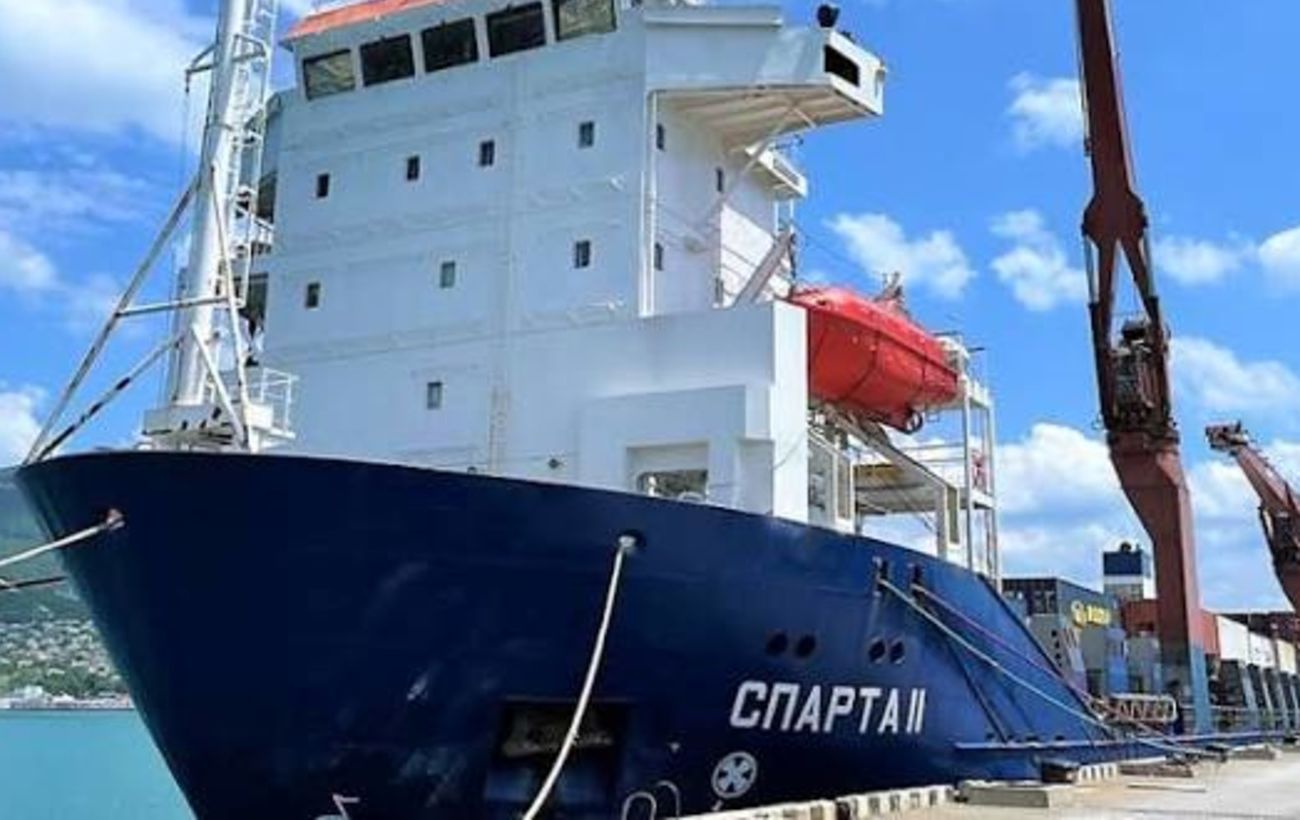
Russian Vessel Sparta II, Struck by Ukrainian Drones, Continues to Burn in Gulf of Finland
Firefighting operations are ongoing in Finnish territorial waters aboard the Russian cargo vessel Sparta II following a drone attack.
 🚨Events
Odesa Plans to Establish a Major Industrial Park Despite Security Challenges
City authorities and local businesses are discussing the creation of a 142-hectare industrial park offering tax incentives for future investors.
 🚨Events
Odesa schools temporarily switch to remote learning amid utility disruptions
Odesa schoolchildren will study remotely from November 23 to 27 due to significant disruptions in electricity, heat, and water supply.
 💼Economy
Odesa's Energy Resilience: 274 Invincibility Points Operating Across the City to Support Residents
Amid extensive power outages, Odesa has deployed a network of 274 Invincibility Points where residents can charge their gadgets and receive assistance.
 💼Economy
Behind the scenes of European tours: Producer Serhii Chudaiev on challenges and emotions of Ukrainian theatre abroad
Organizing theatrical tours for Ukrainian artists in Europe involves complex logistics and turning comedy performances into emotional gatherings of compatriots.
 🚨Events
The Philosophy of Repair: Why Ukrainian Cities Are Shifting Focus Toward Infrastructure Resilience and Maintenance
An exploration of how society adapts to ongoing destruction, turning routine infrastructure repair and daily maintenance into the true foundation of survival.