Microplastics in water prove chemically active: new research findings
Scientists have discovered that microplastics in water can trigger chemical reactions that may potentially damage living cells.
 👥Society
Photo: TSN
Key points
- Microplastics trigger chemical reactions in water
- Reactive oxygen species damage cells
- Heating plastic increases microparticle release
The hidden danger of plastic-water interaction
Microplastics in the environment are proving to be more dangerous than previously thought. Researchers from Columbia University and the University of California, Berkeley, have found that these particles do not merely accumulate in water; they act as a surface for chemical processes. Upon contact with water, reactive oxygen species (ROS) form on the plastic surface, which can damage proteins and DNA structures.
Mechanism of cellular damage
Experiments revealed that the properties of plastic surfaces facilitate electron transfer. Polyethylene and polypropylene were found to be the most active. Tests on mouse erythrocytes demonstrated that contact with microplastics leads to cell deformation and membrane rupture.
- Most active plastics: polyethylene and polypropylene.
- Sources of pollution: synthetic laundry, heating plastic containers, UV exposure.
- Risks: potential damage to biological structures and cells.
Researchers emphasize that while these processes are proven under laboratory conditions, they represent a significant shift in understanding environmental safety. This discovery does not imply immediate danger from every plastic item, but it highlights the necessity for deeper investigation into how synthetic materials affect human health.
Source TSN — tsn.ua/zdorovya/mikroplastyk-vyiavyvsia-nebezpechnishym-niz-vvazaly-shc… ↗
Read next
 ⚽Sport
Historic Triumph: Karpaty secure first-ever win against Zorya in UPL
Lviv's Karpaty achieved their first-ever victory over Zorya Luhansk in the Ukrainian Premier League, ending an 18-match winless streak.
 🛡️Security
Moldovan airspace breached again by drone
On Saturday, November 21, a jet-powered UAV crossed the Moldovan border twice during a Russian attack on Ukraine.
 🏛️Politics
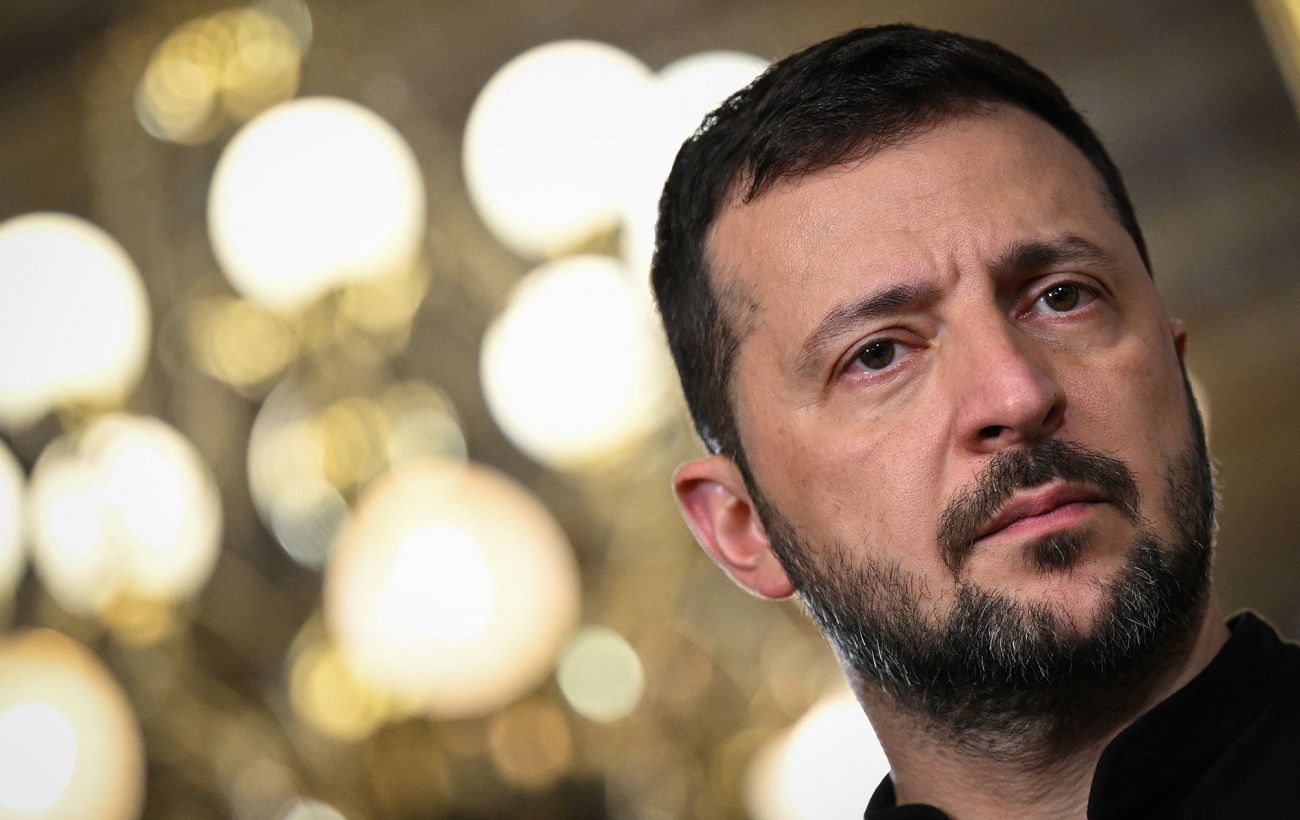
Zelenskyy on security guarantees: Ukraine aims for full NATO membership
President Volodymyr Zelenskyy stated that alternative security models cannot replace full NATO membership, as they lack the necessary clarity and effectiveness.
 🏙️City
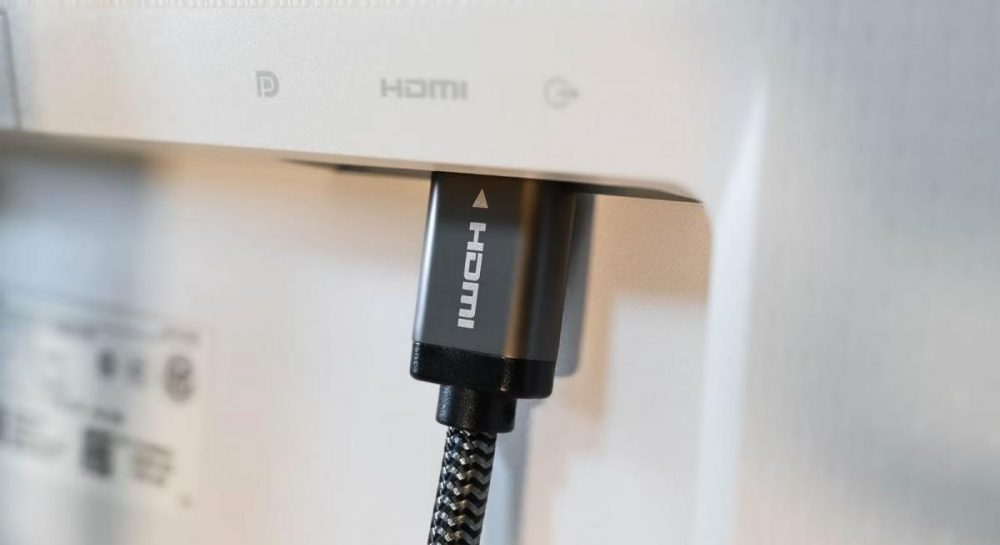
How to improve TV picture quality: the hidden HDMI setting
Many Smart TV owners are not utilizing their devices' full potential due to a disabled HDMI Deep Color feature. Checking these settings can significantly enhance color de…
 🛡️Security
Finland investigates airspace violation by Russian helicopter
The Finnish Ministry of Defence reported an unauthorized border crossing by a Russian helicopter near the city of Loviisa.
 🏙️City
Energy crisis in Odesa: consequences of massive infrastructure attacks
The Odesa region is facing critical power supply disruptions due to prolonged shelling of energy facilities.