Green energy from cacti: scientists generate electricity from Opuntia
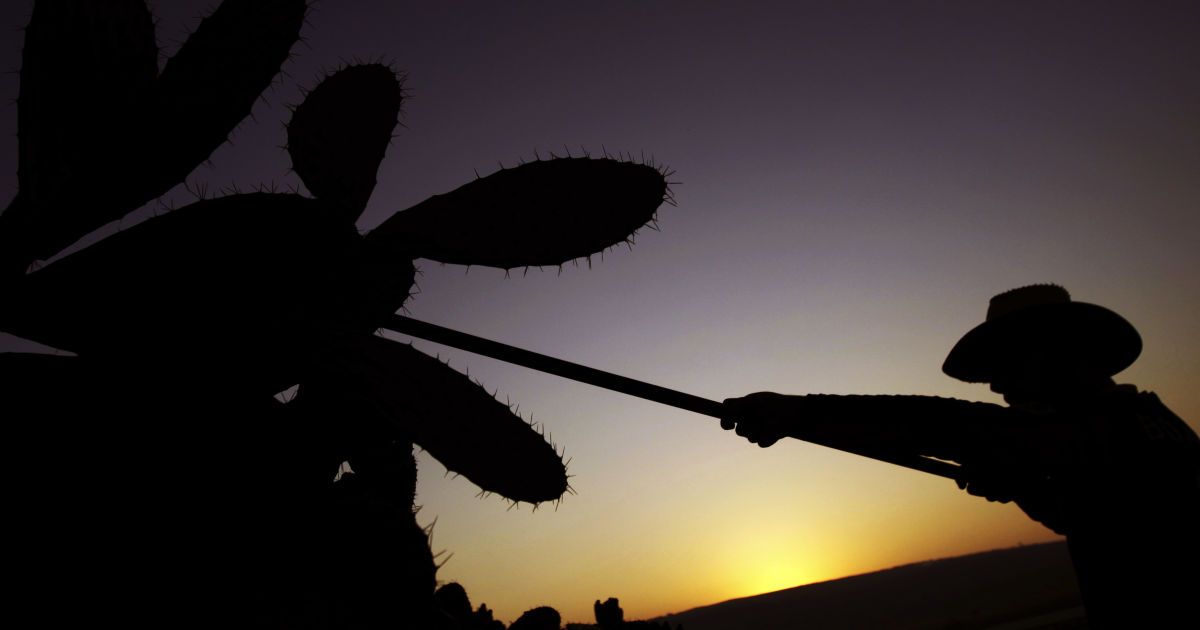
Researchers from the University of California have developed a method to harvest electricity from Opuntia cacti using their unique photosynthetic properties.
 💡Tech
Photo: TSN
Key points
- Using CAM photosynthesis for current generation
- A single Opuntia stem produces 0.5 volts
- Potential for powering agricultural sensors
A team of scientists from the University of California, Santa Cruz, has unveiled an innovative study demonstrating the potential of using plants as sources of renewable energy. The development is based on a unique photosynthetic mechanism known as Crassulacean Acid Metabolism (CAM), which is found in Opuntia, aloe, and other succulents.
How bio-panels work
Unlike most plants, Opuntia absorbs carbon dioxide at night, converting it into malic acid. During the day, sunlight triggers chemical reactions that create a pH gradient between different parts of the stem. Researchers Michael Loik and Charlie Chesney discovered that this gradient generates an electrical voltage, which can be harvested using embedded electrodes.
Experiments showed that a single stem can produce about 0.5 volts. Connecting eight such stems in series yielded 4.5 volts, roughly equivalent to the power provided by three standard AA batteries.
Future applications
This technology could have significant applications in the agricultural sector. Scientists suggest using cacti as autonomous power sources for sensors that monitor soil conditions and crop health. Furthermore, voltage fluctuations could serve as a biosensor, indicating the plant's physiological state and environmental changes.
Source TSN — tsn.ua/nauka_it/roslyna-iaka-vyrobliaye-elektryku-vcheni-zrobyly-nespod… ↗
Read next
 🇺🇦Ukraine
Ukraine to Receive Legally Binding Security Guarantees and Air Defense Boost
Leaders from Germany, France, the UK, and Ukraine have agreed on security guarantee mechanisms and substantial financial support for the coming years.
 🛡️Security
Zelenskyy in Berlin: NATO Remains Key to Ukraine's Security Architecture
During the 'Coalition of the Willing' meeting in Berlin, Volodymyr Zelenskyy emphasized that NATO membership is the best security guarantee for Ukraine.
 🇺🇦Ukraine
EU and NATO Partners Announce Massive Financial and Security Aid for Ukraine
In Berlin, Western leaders agreed on a 90 billion euro support package and committed to providing long-term security guarantees.
 🛡️Security
Panic in Simferopol: Residents stockpile supplies following Kerch Bridge attacks
A series of drone strikes on the Kerch Bridge has triggered a rush for essential goods and fuel in occupied Crimea.
 🚌Transport
The Road Sign with a Crossed-Out Finger: What It Actually Means
We explain the meaning of the rare R9-4 road sign, which prohibits hitchhiking in certain road sections.
 ⚽Sport
Oleksandr Usyk shares details of his personal interaction with Cristiano Ronaldo
Ukrainian champion Oleksandr Usyk recounted his meeting with Cristiano Ronaldo and opened up about his friendship with Anthony Joshua.