Fusion Reactors in Orbit: A New Vision for Future Energy
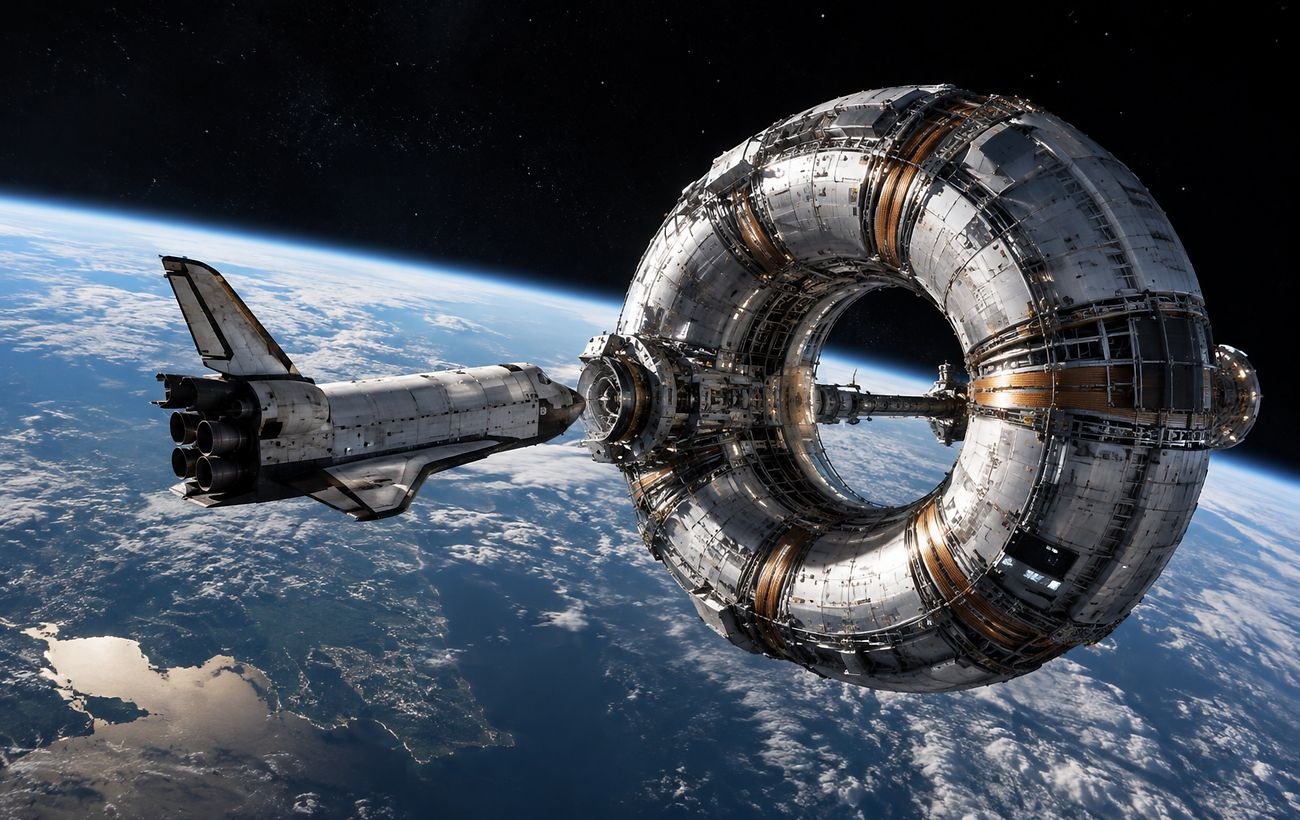
Scientists are exploring the feasibility of placing fusion reactors in space to power future interplanetary missions and settlements.
 💡Tech
Photo: RBC-Ukraine
Key points
- Nuclear fusion as an energy source for space
- Benefits of microgravity for reactor operation
- 1-gigawatt tokamak project
Humanity continues to seek ways to master nuclear fusion, which promises to be a source of virtually inexhaustible clean energy. Since building efficient reactors on Earth faces numerous technical hurdles, researchers are proposing moving these technologies into space.
Advantages of Space for Fusion Technology
According to a study published in ResearchGate, placing reactors in geostationary orbit could solve many of the problems faced by terrestrial tokamaks. Physicist Yang Bae from the Spacefaring Research Institute notes that microgravity significantly reduces the mechanical stress on reactor structures.
- The lack of atmospheric pressure allows for the design of lighter and more compact vacuum chambers.
- The cold of space simplifies the process of dissipating excess heat via special radiator panels.
- Magnetic fields can stably contain plasma without terrestrial constraints.
Preliminary calculations suggest that a 1-gigawatt installation could provide power not only to orbital facilities like data centers but also to potential settlements on other planets. In addition to tokamaks, the use of high-powered lasers to trigger the reaction is also being considered.
Source RBC-Ukraine — rbc.ua/ukr/news/termoyaderni-reaktori-hochut-vidpraviti-kosmos-1795… ↗
Read next
 🚨Events
Fatal Road Accident in Odessa: 19-Year-Old Driver Hits and Kills Pedestrian in Hadzhybeiskyi District
On the evening of November 22, a fatal traffic accident occurred on Oleksiia Vadaturskoho Street, claiming the life of a 48-year-old pedestrian. Local authorities are inv…
 🚨Events
Detonation in Rylsk: Ukrainian Air Assault Forces Deny Russian Claims of Remote Mining
Explosions in the center of Rylsk, Russia, resulted from the detonation of an ammunition depot inside a police station, not drone-dropped mines, the military stated.
 🚨Events
Myths over prices: why drivers still hesitate to buy electric vehicles
An international study, the Global EV Driver Survey 2026, revealed that misinformation rather than high prices or a lack of charging stations is the main barrier to EV ad…
 💼Economy
Fuel prices drop significantly across Ukrainian petrol stations
Major gas station networks in Ukraine have begun lowering fuel prices, showing a noticeable decrease in the cost of gasoline and diesel.
 🛡️Security
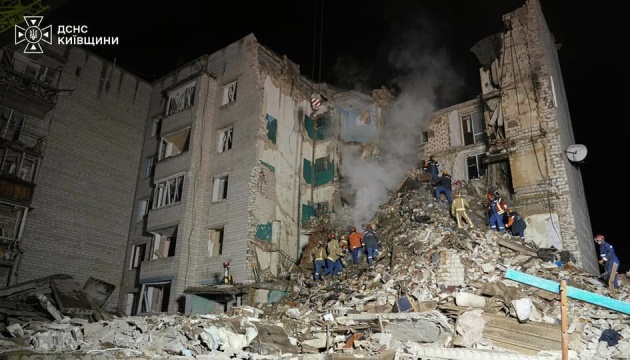
Death toll from strike on apartment building in Kyiv region's Dymer rises to 11
Rescuers in the Kyiv region have recovered another body from the rubble of a residential building destroyed by a Russian strike in Dymer, bringing the death toll to 11.
 🧠AI Analysis
Robotic systems at the frontline: why UGVs will not replace armored vehicles anytime soon
Manufacturers of unmanned ground vehicles state that UGVs are taking over logistics tasks but cannot completely replace armored cars on the frontline.