Scattered Responsibility: Who in Government Manages Global Ukrainian Communities
Despite the launch of new platforms to support Ukrainians abroad, Ukraine still lacks a single coordinating body to comprehensively manage its global diaspora.
 🇺🇦Ukraine
Photo: Ukrainska Pravda
Key points
- The launch of new platforms exposed the lack of a single state coordinator for Ukrainians abroad.
- Complex issues often span multiple ministries, creating administrative gaps.
- The Unity Network focuses primarily on social policy and returns rather than total diaspora management.
Recently, the Ukrainian government and civil society have paid increasing attention to millions of citizens living outside the country. Notably, the Ministry of Social Policy held a forum dedicated to the Unity Network, while the UAFORYOU platform was also launched. However, the proliferation of such tools has highlighted a systemic issue: the lack of a single coordinating entity responsible for the global Ukrainian community.
Interagency Barriers and Practical Challenges
Recent educational programs and surveys involving community leaders worldwide show that Ukrainians abroad frequently encounter bureaucratic hurdles that fall between the cracks of various government bodies. For instance, teenagers living under guardianship abroad often cannot apply for their first passports due to a lack of access to digital identification services like Diia. Such cases lie at the intersection of consular services, digitalization, and child protection, leaving them effectively unowned.
Currently, migrant and diaspora issues are handled by several structures simultaneously. The Ministry of Foreign Affairs has a dedicated department, the Ministry of Education and Science oversees overseas schools, the Ministry of Youth and Sports focuses on national identity, and the Ministry of Social Policy coordinates the Unity Network and return strategies. Despite efforts from each individual institution, a comprehensive coordinator for the entire process is still missing at the state level.
While the Unity Network is the most serious attempt to centralize these efforts, its mandate remains limited to social policy and the return of citizens. Meanwhile, children's education, consular services, and identity policies remain with other agencies. This fragmentation leads to frequent policy shifts, posing ongoing challenges for Ukrainians worldwide.
Source Ukrainska Pravda — pravda.com.ua/columns/2026/11/19/8063597/ ↗
Read next
 🛡️Security
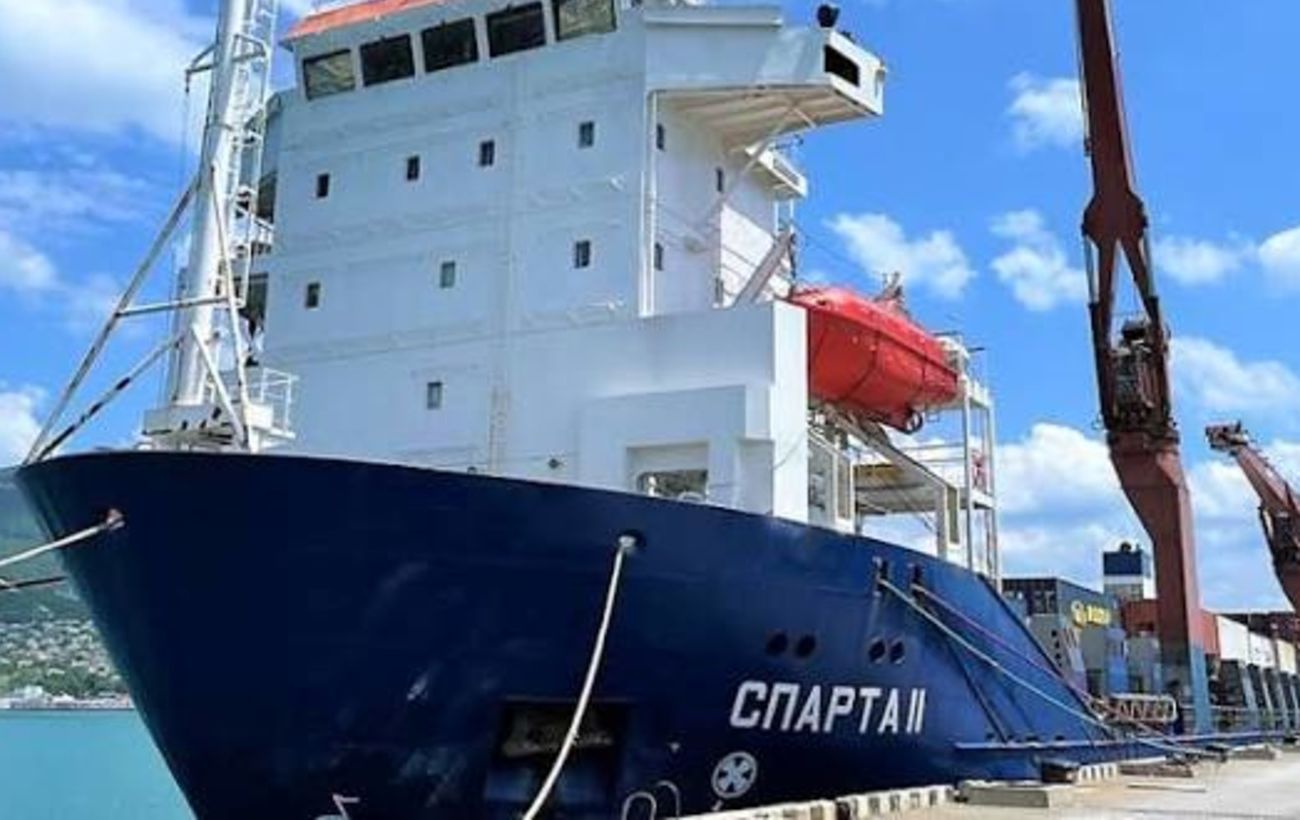
Russian Vessel Sparta II, Struck by Ukrainian Drones, Continues to Burn in Gulf of Finland
Firefighting operations are ongoing in Finnish territorial waters aboard the Russian cargo vessel Sparta II following a drone attack.
 🧠AI Analysis
Aftermath of the Night Attack on Dymer: Fourteen People Unaccounted For Following Strike on Residential Building
A nighttime drone strike on a five-story apartment building in Dymer, Kyiv region, partially destroyed an entryway, with rescue operations underway.
 🚨Events
Odesa Plans to Establish a Major Industrial Park Despite Security Challenges
City authorities and local businesses are discussing the creation of a 142-hectare industrial park offering tax incentives for future investors.
 🚨Events
Odesa schools temporarily switch to remote learning amid utility disruptions
Odesa schoolchildren will study remotely from November 23 to 27 due to significant disruptions in electricity, heat, and water supply.
 💼Economy
Odesa's Energy Resilience: 274 Invincibility Points Operating Across the City to Support Residents
Amid extensive power outages, Odesa has deployed a network of 274 Invincibility Points where residents can charge their gadgets and receive assistance.
 💼Economy
Behind the scenes of European tours: Producer Serhii Chudaiev on challenges and emotions of Ukrainian theatre abroad
Organizing theatrical tours for Ukrainian artists in Europe involves complex logistics and turning comedy performances into emotional gatherings of compatriots.