New frontline threat: Russian forces actively deploy fiber-optic controlled drones
The Russian military has begun mass-deploying new 'Molnia' drones controlled via fiber-optic cables across various frontline sectors, rendering them immune to electronic warfare systems.
 🛡️Security
Photo: UNIAN
Key points
- Russia started mass deploying 'Molnia' fiber-optic drones
- Operational range of these UAVs reaches 30 kilometers into the rear
- The drones are invulnerable to modern electronic warfare systems
- Ukrainian military forces are already adapting to detect and shoot down these devices
Over the past few days, Russian occupation forces have intensified the use of new 'Molnia' unmanned aerial vehicles equipped with fiber-optic control systems. This was reported by Serhii Beskrestnov, an advisor on the development of defense technologies known as Serhii 'Flash'. According to his information, such strike assets are already being recorded in multiple sectors of the frontline, creating additional challenges for the Ukrainian defense forces.
Technical features and core dangers
The main distinctive feature of these new drones is the complete absence of a radio signal during flight, as communication with the operator is maintained through a thin cable. This makes the UAV entirely resistant to Ukrainian electronic warfare stations. Furthermore, the devices are capable of conducting deep reconnaissance in the rear at distances of up to 30 kilometers while flying at a relatively low altitude of around 50 meters.
Experts note that due to the low flight altitude, detecting such targets using radar stations is significantly hindered. At the same time, the high image quality from the drone cameras allows the enemy to quickly transmit coordinates for strikes. Despite the emerging challenges, the Ukrainian military is already demonstrating effectiveness in neutralizing these airborne targets.
«The danger of such UAVs lies in the absence of a radio signal for their detection, low flight altitude, and the inability of electronic warfare to affect the UAV», — emphasized Serhii Beskrestnov.
The technological evolution of strike weapons forces the Ukrainian military command to adapt air defense tactics and seek new methods of countering fiber-optic drones.
Source UNIAN — unian.ua/weapons/droni-rf-molniya-stali-nebezpechnishimi-flesh-rozk… ↗
Read next
 🇺🇦Ukraine
Donald Tusk: Europe Will Not Consult with the Kremlin on Ukraine Peace Talks
The Polish Prime Minister strongly rejected Moscow's attempts to dictate terms to European nations regarding future security and support for Kyiv.
 👥Society
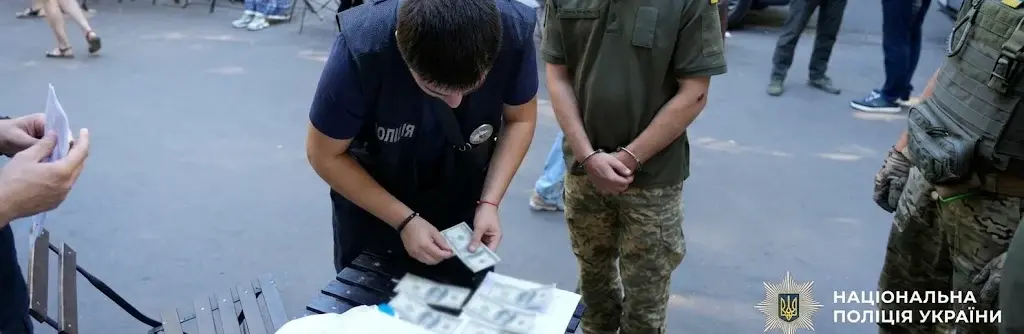
TCC Bribery Case: Odesa Military Serviceman to Stand Trial for Extortion
In Odesa, the case of a district TCC and JV serviceman accused of demanding money to remove a citizen from the Oberig database has been sent to court
 💼Economy
Odesa Manufacturer Upgrades Safety Systems at Local Plant: From Fire Gates to Shelters
Local company BP GROUP has completed a comprehensive equipment project for an Odesa factory, installing specialized protective structures and airtight shelter doors.
 🚨Events
Odesa Strike on November 18: 19-Year-Old Graduate from Region Identified Among Victims
19-year-old Vitalina Aulova from the Bilhorod-Dnistrovskyi district was killed during the enemy attack on central Odesa.
 🏛️Politics
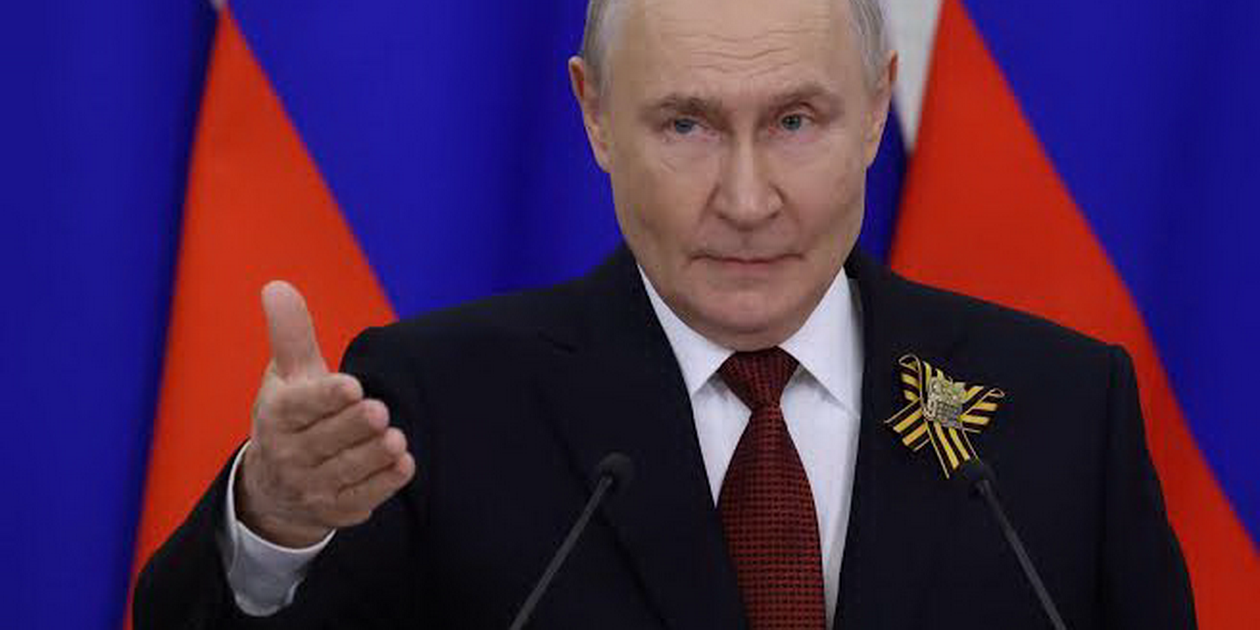
Putin Invokes Yalta Conference Legacy to Justify Aggression in Ukraine at Shenzhen Summit
During a trilateral summit in China, the Kremlin leader described the 1945 Yalta agreements as a foundation for global stability, comparing them to the current attempt to…
 💼Economy
NBU Strengthens Hryvnia: Official Exchange Rates for November 20
The National Bank of Ukraine has reported an appreciation of the national currency against the US dollar and the Euro amid interbank market stabilization.